If you’ve spent any time selling old clothes online, you already know that most of it goes for a few dollars. But some pieces sell fast and for real money.
Knowing which categories hold value helps you shop smarter, sell better, and avoid leaving money on the table.
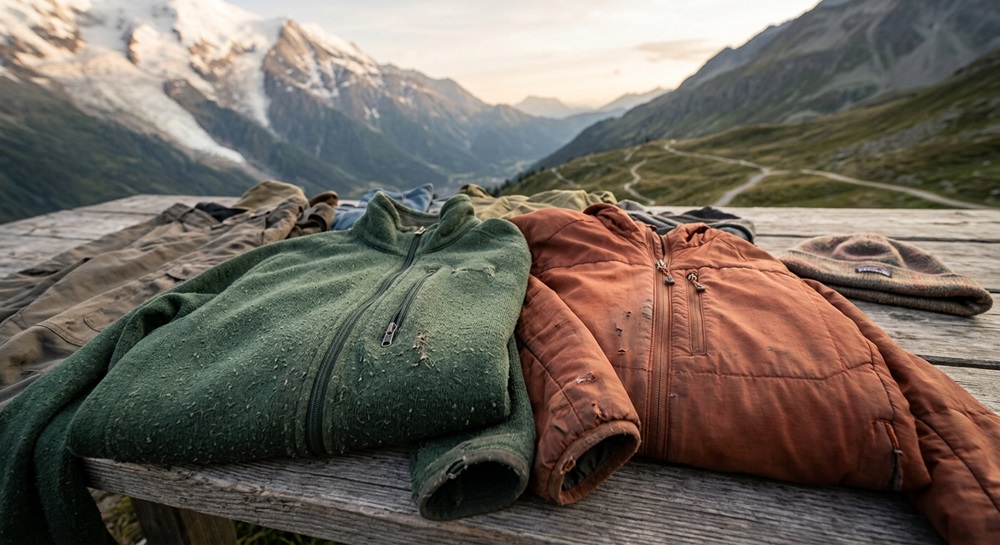
Used Patagonia clothing is one of the clearest examples of this. A worn Retro-X fleece from the early 2000s can still pull $80 to $150 on Depop or eBay.
Some limited colorways go higher. That kind of resale stability doesn’t happen by accident. It comes down to brand reputation, build quality, and buyer demand staying strong year after year.
Here’s what else holds up.
Styles That Consistently Sell Well
Some clothing categories have proven buyer demand on platforms like eBay, Depop, Poshmark, and Grailed. These aren’t guarantees, but they’re reliable starting points.
Workwear and chore coats
Carhartt, Dickies, and similar brands have strong resale markets. Heavyweight canvas chore coats in good condition sell well, especially in faded or worn-in states that show natural patina. Buyers look for these on purpose.
Fleece pullovers and zip-ups
Patagonia Synchilla and similar styles from the 1990s and early 2000s hold value well. So do vintage Columbia fleeces, particularly the heavier ones with zip pockets.
Denim
Levi’s 501s, 505s, and 550s from the 1980s and 1990s consistently move. Wrangler and Lee also have dedicated buyers, especially for high-waist and wide-leg cuts. Original USA-made labels add value.
Vintage athletic wear
Champion reverse-weave sweatshirts, especially older made-in-USA pieces, sell well. Nike and Adidas gear from the 1980s and 1990s with original tags or clear branding gets picked up fast.
Military surplus and workwear
US military field jackets (M-65s), liner jackets, and OG-107 fatigues have consistent demand. Condition matters a lot here, but even worn pieces sell if they’re authentic.
Rare Colors and What Makes Them Worth More
Color is one of the fastest ways a piece goes from average to high-value on the secondhand market. A few reasons for this:
- Some colorways were produced in small runs or for specific regions
- Certain colors age or fade in ways buyers actively seek out
- Some combinations were discontinued and never brought back
For Patagonia specifically, colors like “Fatigue Green,” older teal shades, and certain seasonal colorways from the 1990s pull higher prices than standard black or navy from the same era.
For Nike, regional exclusives and PE (Player Edition) colorways on sneakers or apparel can multiply resale value. A standard shoe in black might sell for retail. The same shoe in an unreleased sample colorway might sell for 5x that.
With denim, certain fades and washes are worth more than others:
- “Big E” Levi’s (pre-1971 selvedge denim) command higher prices than standard vintage 501s
- Raw denim with natural wear patterns sells better than stone-washed versions from the same era
- Deadstock (unworn, with tags) in any colorway adds a premium
Limited Runs and Why They Hold Value
Limited production runs create scarcity. Scarcity keeps prices up when demand stays steady. A few categories where this plays out clearly:
Supreme collaborations
Supreme x anything from before 2018 tends to hold value, especially outerwear. Box logo hoodies in particular have a well-documented resale history.
Brand collaborations
Carhartt WIP x external brand collabs, Patagonia x specialty retailers, and similar limited drops often sell for more than the original retail price once they sell out.
Archive sportswear
Adidas Originals pieces from the 1970s and 1980s, genuine vintage Nike “Windrunner” jackets from early production runs, and similar pieces hold collector interest.
Japanese market exclusives
Many brands produce Japan-only colorways or Japan-only fits that are harder to find outside the country. These carry a premium on international resale platforms.
Condition Matters More Than You Might Expect
Even a rare piece loses value fast if the condition is poor. Here’s how buyers generally think about it:
- Deadstock or new with tags: Highest value in almost every category
- Excellent used condition: Good photographs and honest descriptions get strong prices
- Visible wear, fading, or repairs: Depends heavily on the category. Workwear buyers often prefer this. Streetwear buyers generally don’t.
- Damage (holes, stains, broken hardware): Drops value sharply unless it’s a grail piece with a documented history
Washing and storing pieces properly before selling also helps. A clean, well-photographed listing for a vintage Patagonia fleece will sell for more than the same piece listed with bad lighting and a wrinkled presentation.
Where to Sell to Get the Best Price
Platform choice affects what you can realistically charge:
- Grailed: Best for menswear, streetwear, and high-end vintage
- Depop: Strong for 1990s and Y2K styles, vintage sportswear, and anything with strong visual appeal
- eBay: Best for rare pieces with verifiable provenance, vintage denim, and military surplus
- Poshmark: Works well for women’s clothing and mainstream brands
- The RealReal or Vestiaire Collective: For luxury and designer pieces only
FAQ
How do I know if a vintage piece is authentic before buying or selling?
Check the label construction, font, and country of origin. For Levi’s, the tab color and font changed across decades. For Nike, heel tab construction and swoosh stitching changed over time. Collector communities on Reddit (r/VintageFashion, r/Levis, r/Flipping) are good for authentication help.
Does washing vintage clothing before selling hurt the value?
A gentle wash with appropriate detergent usually helps more than it hurts. It removes odors and dirt that put buyers off. Avoid high heat or harsh detergents that can damage fibers or fade prints. For deadstock pieces, some collectors prefer them unwashed.
Are fast fashion brands ever worth reselling?
Rarely, and the resale value is low. H&M, Zara, and similar brands don’t hold value on secondhand markets. The exception is if a specific piece was part of a high-profile collaboration (like H&M x designer collections), in which case some demand exists.
What’s the best way to photograph clothes for resale?
Natural light, a clean background, and flat lay or on-body shots work best. Include photos of the tag, any wear or damage, and any unique details. Clear photos lead to faster sales and fewer buyer disputes.
Does size affect resale value?
Yes. Larger sizes (XL and above) in vintage men’s pieces can actually sell for more because they’re harder to find in good condition. Smaller sizes in women’s vintage sometimes sell faster due to the volume of buyers in that range.
Is it worth buying secondhand clothes to resell at a profit?
It can be, but it takes time to learn what sells. Starting with categories you know well (denim, outerwear, sportswear) and sourcing from estate sales, thrift stores, and garage sales gives you the best margin. Expect a learning curve of a few months before your sourcing gets consistent.
Do shoes follow the same resale rules as clothing?
Broadly, yes. Condition, rarity, and colorway drive value. Sneakers have a more developed resale infrastructure (StockX, GOAT, Kicks Crew) with price history tools that make it easier to check current market rates before buying or selling.