
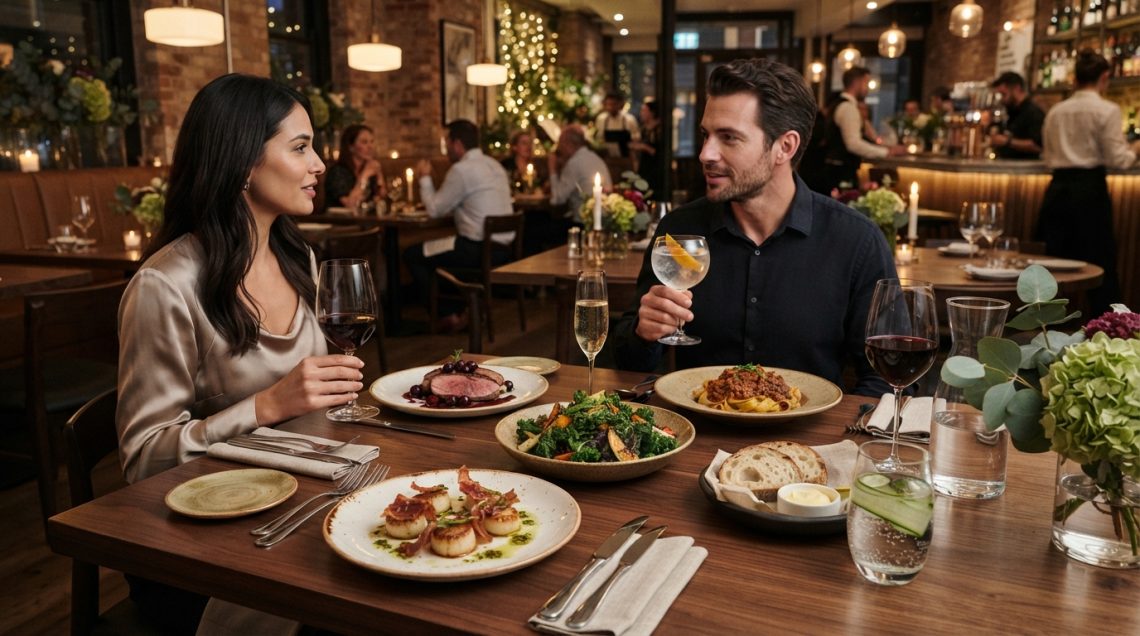
A restaurant experience is often shaped by more than the food on the plate. For many diners, beverage options, atmosphere, service, and menu variety also influence where they choose to spend time with family, friends, or colleagues.
Restaurants with thoughtfully designed bar menus provide additional choices beyond traditional meals. A well-balanced drink selection can complement food, create a more social atmosphere, and make different occasions feel more personalized.
From casual dinners to celebrations and gatherings, understanding what makes a restaurant bar menu effective can help customers choose locations that match their preferences.
Key Takeaways
- A restaurant bar menu can enhance the overall dining experience.
- Drink selections may include cocktails, wine, beer, non-alcoholic beverages, and specialty drinks.
- Food and beverage pairing can improve how flavors work together.
- Different occasions may require different restaurant atmospheres and drink options.
- A balanced bar menu provides choices for guests with different preferences.
- Customers should consider menu variety, atmosphere, service, and location when selecting a restaurant.
- Responsible alcohol consumption and informed choices are important parts of dining experiences.
What Is a Restaurant Bar Menu?
A restaurant bar menu is a beverage-focused section that provides guests with drink choices alongside the main food menu.
Depending on the restaurant, a bar menu may include:
- Cocktails
- Wine selections
- Beer options
- Specialty drinks
- Mocktails
- Soft drinks
- Coffee or after-dinner beverages
A strong bar menu supports the overall restaurant experience by giving customers options that complement their meals.
For customers exploring a restaurant bar menu, reviewing available drinks before visiting can help determine whether the restaurant matches the occasion and dining preferences.
Why Beverage Options Matter in Restaurant Dining
Drinks can influence the pace, atmosphere, and enjoyment of a meal.
A beverage choice may serve different purposes:
- Starting a meal
- Complementing food flavors
- Creating a celebratory experience
- Providing a refreshing option
- Extending social time after dinner
For many diners, beverages are part of the complete restaurant experience rather than simply an addition to the meal.
How Restaurant Bar Menus Enhance the Dining Experience
A thoughtful bar menu adds another layer of choice for customers.
Restaurants can create a stronger experience by offering:
- Variety
- Quality ingredients
- Appropriate pairings
- Seasonal selections
- Creative options
A customer visiting for dinner may appreciate having several beverage choices that match both their meal and the occasion.
What Types of Drinks Are Commonly Found on Restaurant Bar Menus?
Restaurant beverage selections vary based on concept, audience, and location.
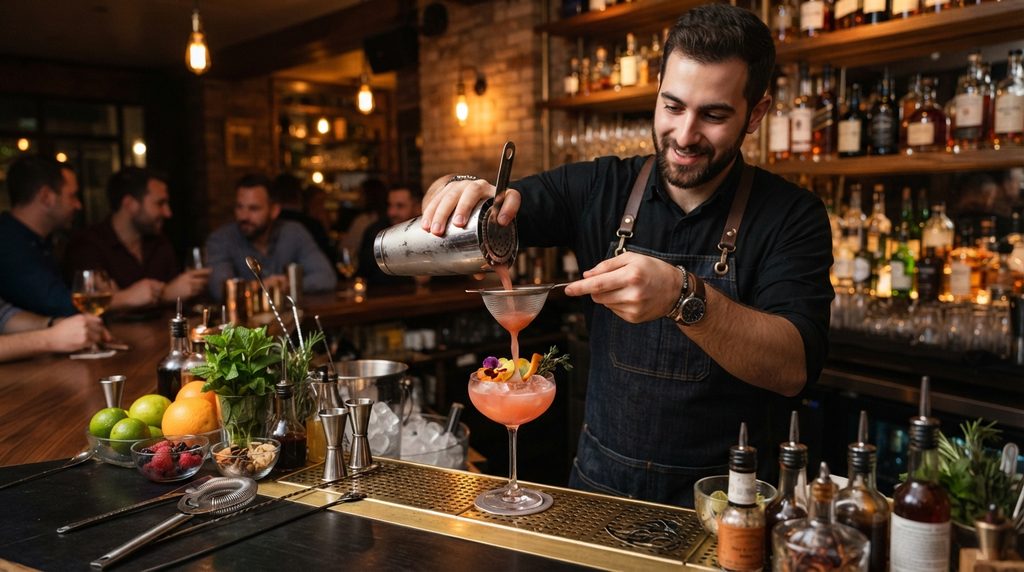
Common categories include:
Cocktails
Cocktails combine different ingredients to create distinctive flavors.
They may include:
- Spirits
- Fresh fruit
- Herbs
- Syrups
- Bitters
- Mixers
Some restaurants offer classic cocktails, while others create unique signature drinks.
Wine
Wine selections may include:
- Red wine
- White wine
- Rosé
- Sparkling options
Wine is often selected based on personal preference and food pairing considerations.
Beer
Beer options may include:
- Domestic selections
- Imported options
- Craft varieties
- Seasonal choices
Beer can pair well with many casual dining dishes.
Non-Alcoholic Beverages
Many guests prefer non-alcoholic options.
These may include:
- Specialty mocktails
- Soft drinks
- Tea
- Coffee
- Fresh beverages
A complete beverage menu should provide options for different preferences.
How Food and Drink Pairing Improves Dining
Food and beverage pairing focuses on how different flavors work together.
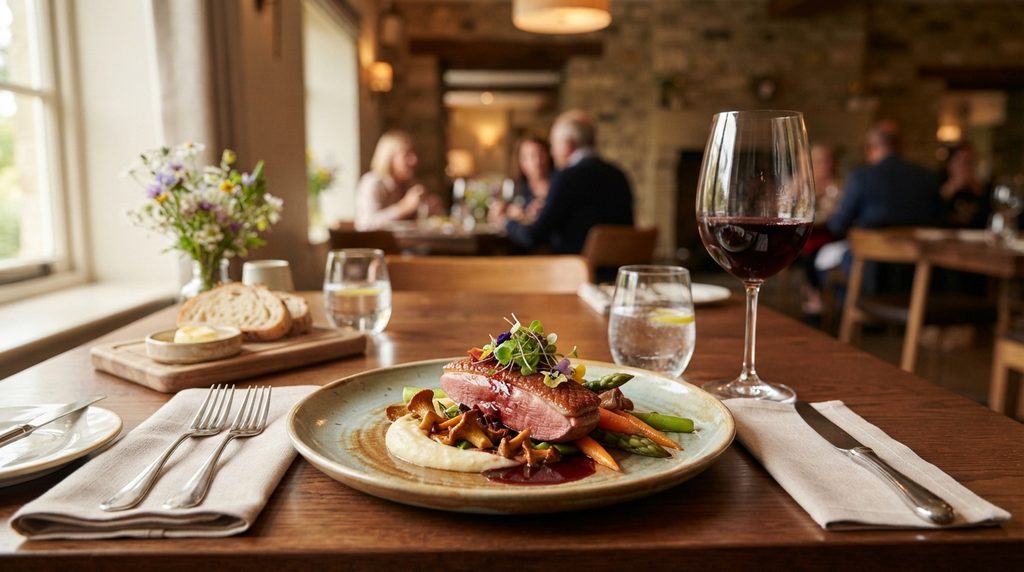
The goal is not to follow strict rules but to create combinations that complement each other.
Examples:
| Food Style | Possible Beverage Pairing |
| Seafood | Light wines or refreshing beverages |
| Pasta dishes | Wine or balanced cocktails |
| Grilled meats | Richer beverage options |
| Salads | Fresh, lighter drinks |
| Desserts | Coffee or specialty drinks |
The best pairing depends on individual taste, ingredients, preparation style, and personal preference.
How to Choose a Restaurant Based on the Bar Menu
The right restaurant depends on the purpose of the visit.
Consider:
- Type of drinks available
- Food menu compatibility
- Atmosphere
- Seating options
- Service style
- Group preferences
A restaurant suitable for a casual family dinner may differ from one chosen for a celebration or social gathering.
Why Signature Drinks Can Make Restaurants More Memorable
Some restaurants develop signature beverages that become part of their identity.
A signature drink may stand out because of:
- Unique ingredients
- Presentation
- Seasonal availability
- Connection to the restaurant concept
Similar to signature dishes, memorable drinks can encourage customers to return and recommend the restaurant to others.
How Bar Menus Support Different Dining Occasions
Different occasions require different restaurant experiences.
Casual Dinner
For everyday dining, customers may prefer:
- Comfortable atmosphere
- Flexible drink choices
- Familiar menu options
Date Night
A restaurant with a thoughtful beverage menu can add to the overall experience.
Consider:
- Atmosphere
- Seating
- Drink selection
- Food pairing options
Celebrations
Special occasions may benefit from:
- Larger beverage selections
- Group-friendly seating
- Shared dining options
- Dessert and after-dinner choices
Business Dining
Business meals often require:
- Comfortable conversation
- Professional atmosphere
- Efficient service
- Appropriate beverage options
How Restaurants Balance Food and Beverage Menus
A successful restaurant experience requires balance between food and drink offerings.
A beverage menu should complement the restaurant’s food identity.
For example:
- Italian-inspired restaurants may emphasize wine and classic beverages.
- Casual restaurants may focus on approachable drink selections.
- Family restaurants may provide a broad range of beverage choices.
The goal is creating a menu where drinks support rather than compete with the food experience.
Why Restaurant Atmosphere Matters With Bar Menus
A beverage experience depends heavily on the environment.
Important atmosphere factors include:
- Lighting
- Noise level
- Seating arrangement
- Service style
- Overall restaurant design
A drink-focused experience may require a different environment than a quick family meal.
Customers should consider whether the atmosphere matches the purpose of their visit.
How Groups Benefit From Flexible Drink Options
Group dining often involves different preferences.
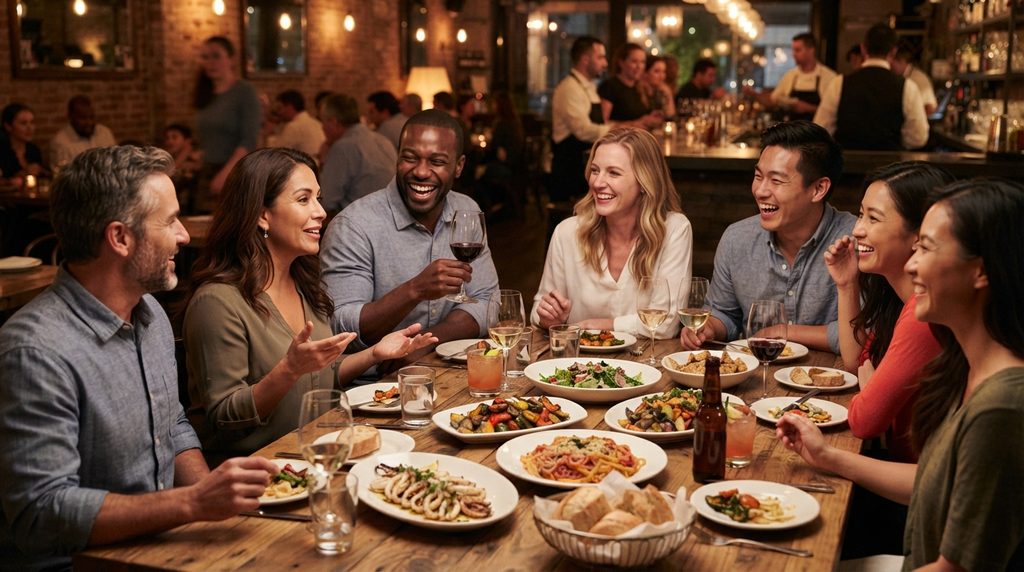
One guest may prefer a cocktail, another may choose wine, while someone else may want a non-alcoholic beverage.
A flexible bar menu allows:
- More individual choices
- Easier group decisions
- Better overall satisfaction
Restaurants that provide variety can accommodate more types of gatherings.
How to Find Restaurants With Bar Menus Nearby
Customers often search online when looking for dining options that include beverages.
Searches such as wine and beer menu or cocktails near me can help diners discover restaurants that match their preferences.
Before visiting, customers may review:
- Current menus
- Drink selections
- Restaurant atmosphere
- Location
- Hours
This preparation can make choosing a restaurant easier.
How Online Menus Help Customers Plan Visits
Online menus provide useful information before customers arrive.
They allow guests to review:
- Food choices
- Beverage options
- Pricing expectations
- Available categories
- Dietary considerations
This is especially helpful for groups planning celebrations or gatherings.
Responsible Beverage Choices at Restaurants
Enjoying restaurant beverages should always include responsible decision-making.
Customers should consider:
- Personal limits
- Transportation plans
- Local regulations
- Individual health considerations
Restaurants also play a role by providing accurate menu information and responsible service practices.
The National Institute on Alcohol Abuse and Alcoholism provides educational information about alcohol use and health considerations.
How Restaurant Bar Menus Continue to Evolve
Modern restaurant beverage programs continue to expand beyond traditional options.
Trends include:
- Specialty mocktails
- Seasonal beverages
- Craft-inspired drinks
- Local ingredients
- Personalized options
These developments allow restaurants to serve a wider range of guests while creating more unique experiences.
Frequently Asked Questions
What is included in a restaurant bar menu?
A restaurant bar menu may include cocktails, wine, beer, specialty drinks, non-alcoholic beverages, coffee, and other drink selections. The exact options depend on the restaurant style and customer preferences.
Why do restaurants offer specialty drinks?
Specialty drinks allow restaurants to create unique experiences and introduce customers to flavors or combinations that may not be available elsewhere. They can also complement food menus and become memorable parts of a visit.
How do you choose a restaurant with a good bar menu?
Consider the variety of drinks, food compatibility, atmosphere, service, and occasion. Reviewing the beverage menu before visiting can help determine whether the restaurant matches your expectations.
Can non-alcoholic guests enjoy restaurants with bar menus?
Yes. Many restaurants provide non-alcoholic beverages, mocktails, coffee, tea, and other options so guests can enjoy the dining experience regardless of beverage preference.
Do drinks affect the overall restaurant experience?
Yes. Beverage choices can influence flavor pairings, atmosphere, celebrations, and social experiences. A well-designed drink menu can complement food and enhance the overall visit.
Conclusion
A restaurant bar menu can add significant value to the overall dining experience by providing more choices, supporting food pairings, and creating opportunities for memorable moments.
Whether customers are enjoying a casual meal, celebrating an occasion, meeting friends, or attending a business dinner, beverage options can influence how they experience the restaurant.
The best restaurant choices consider the complete experience: food quality, drink selections, atmosphere, service, and personal preferences. A balanced bar menu helps restaurants serve a wider range of guests while giving customers more ways to enjoy their visit.

