
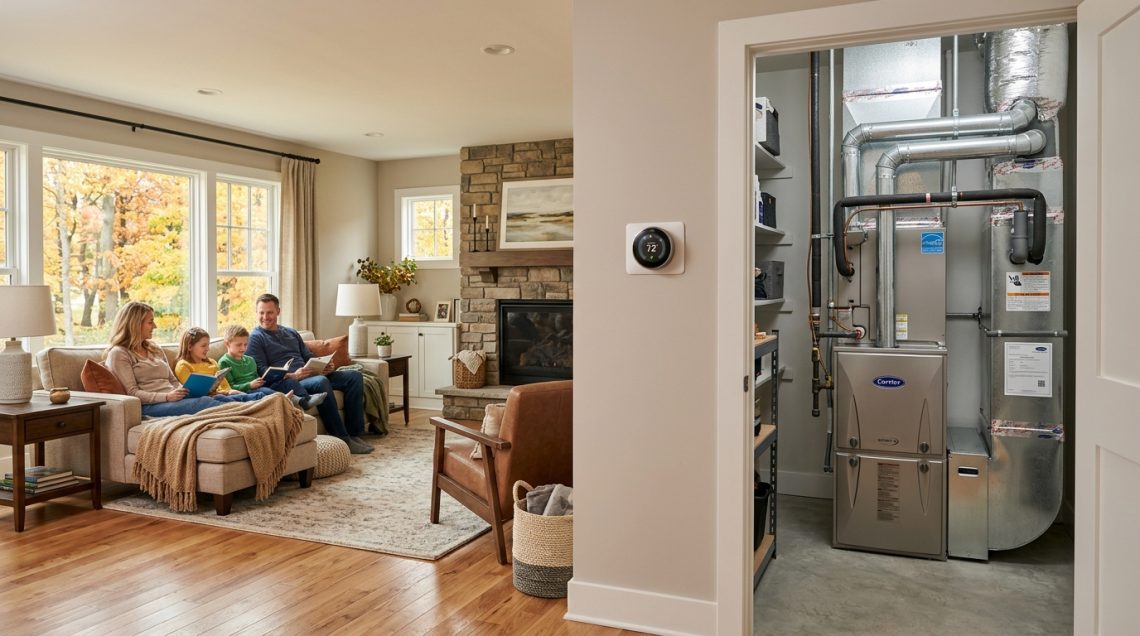
Utility costs continue to be a growing concern for homeowners across Michigan. With cold winters, humid summers, and HVAC systems operating throughout much of the year, heating and cooling expenses often represent one of the largest portions of a household’s monthly energy bill. As energy prices fluctuate and homeowners seek ways to reduce expenses, energy efficiency has become an increasingly important consideration when evaluating HVAC systems.
Fortunately, modern HVAC technology offers significant opportunities to lower utility costs without sacrificing comfort. Advances in equipment design, smart controls, heat pump technology, airflow management, and indoor air quality improvements have made it possible for homeowners to enjoy more comfortable living environments while consuming less energy.
Many homeowners assume reducing utility bills requires major home renovations, but HVAC upgrades often provide some of the most impactful opportunities for improving efficiency. Whether through system replacement, preventative maintenance, thermostat upgrades, or improved airflow management, strategic HVAC improvements can generate meaningful savings for years to come.
In addition to reducing monthly expenses, energy-efficient HVAC systems often provide improved temperature consistency, better humidity control, enhanced indoor comfort, and healthier indoor environments.
Many homeowners are also exploring energy-efficient home heating and cooling systems as they look for practical ways to reduce energy consumption without compromising comfort.
Quick Answer
Energy-efficient HVAC systems reduce utility costs by consuming less energy to heat, cool, and ventilate a home. Modern equipment uses advanced technology to improve performance, reduce waste, optimize airflow, and maintain comfort more efficiently than older systems. Michigan homeowners can often lower energy expenses through equipment upgrades, preventative maintenance, improved insulation, smart thermostats, and better indoor air quality management.
Key Takeaways
- Heating and cooling account for a significant portion of household energy usage.
- Modern HVAC systems are substantially more efficient than older equipment.
- Proper maintenance helps maximize energy savings.
- Heat pumps can offer excellent efficiency for Michigan homeowners.
- Smart thermostats help reduce unnecessary energy consumption.
- Airflow and ductwork performance impact overall system efficiency.
- Indoor air quality improvements can support HVAC performance.
- Small efficiency improvements can produce substantial long-term savings.
Why HVAC Systems Have Such a Large Impact on Energy Bills
For most homeowners, HVAC systems represent the largest energy consumer within the home. Heating systems work extensively during Michigan winters, while cooling systems often run continuously during periods of summer heat and humidity.
Unlike many household appliances that operate intermittently, HVAC equipment frequently runs for extended periods throughout the day. As a result, even small improvements in efficiency can significantly affect overall energy consumption.
Several factors influence HVAC-related utility costs:
- Equipment efficiency
- System age
- Thermostat settings
- Home insulation
- Air leakage
- Ductwork performance
- Filter condition
- Maintenance history
When multiple inefficiencies exist simultaneously, energy waste can increase substantially.
Understanding how HVAC systems consume energy helps homeowners identify opportunities to improve performance while reducing operating costs.
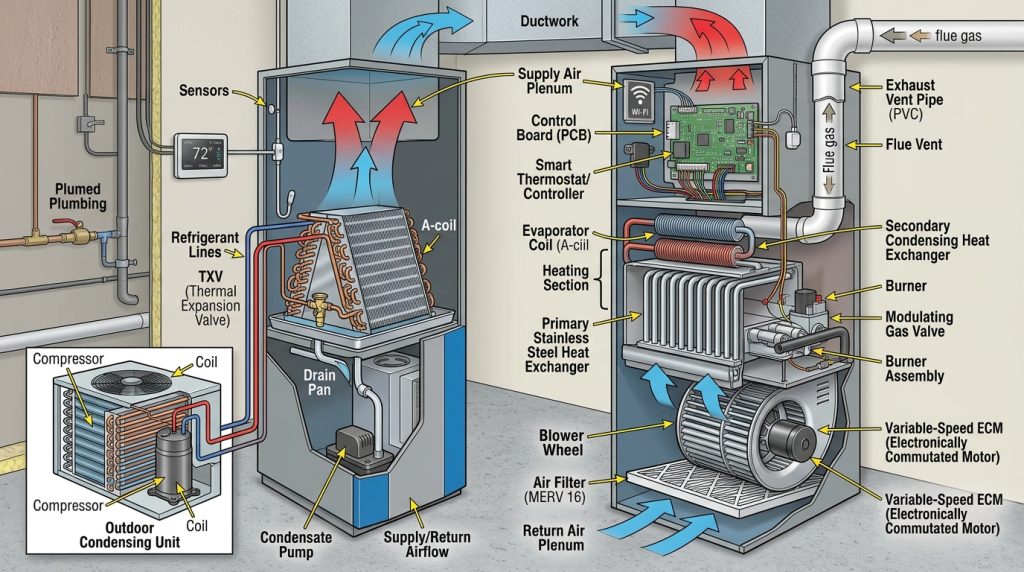
What Makes an HVAC System Energy Efficient?
Energy efficiency refers to a system’s ability to deliver the desired level of heating or cooling while consuming the least amount of energy possible.
Modern energy-efficient HVAC equipment incorporates numerous technological improvements that help maximize performance while minimizing waste.
Characteristics of highly efficient systems often include:
- Variable-speed technology
- Advanced compressors
- Improved heat exchangers
- Smart controls
- Enhanced airflow management
- Better humidity control
- High-efficiency filtration
Many homeowners researching replacement equipment focus specifically on energy efficient HVAC systems because they offer opportunities to improve comfort while reducing long-term operating expenses.
Understanding Efficiency Ratings
Efficiency ratings provide a standardized way to compare HVAC equipment.
Common ratings include:
- AFUE (Annual Fuel Utilization Efficiency)
- SEER2 (Seasonal Energy Efficiency Ratio)
- HSPF2 (Heating Seasonal Performance Factor)
Generally speaking, higher ratings indicate improved efficiency and lower energy consumption.
However, efficiency ratings should be evaluated alongside proper installation, system sizing, and home performance factors.
The Financial Impact of HVAC Efficiency
One of the primary reasons homeowners invest in energy-efficient equipment is the potential for long-term savings.
Although high-efficiency equipment often requires a larger initial investment, many homeowners recover these costs through reduced utility expenses over time.
Potential financial benefits include:
- Lower monthly utility bills
- Reduced repair expenses
- Longer equipment lifespan
- Improved home value
- Potential rebate opportunities
- Reduced maintenance costs
For homeowners planning to remain in their homes for many years, efficiency improvements often provide cumulative financial benefits that extend far beyond the initial investment.
Utility Savings Example
| HVAC System Type | Relative Energy Usage | Potential Utility Savings |
| Older System (15+ Years) | High | Lowest |
| Mid-Efficiency System | Moderate | Moderate |
| High-Efficiency System | Low | Highest |
Actual savings vary based on equipment selection, home size, usage patterns, and local energy costs.
Heat Pumps and Energy Efficiency
Heat pump technology has become one of the fastest-growing segments of the HVAC industry.
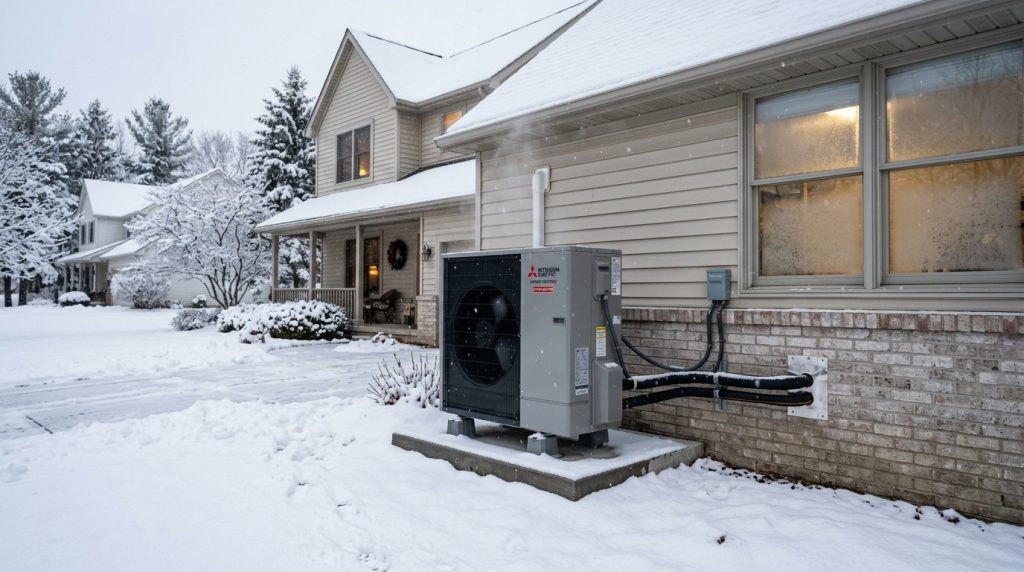
Unlike traditional furnaces that generate heat, modern heat pumps transfer heat from one location to another. This process often requires less energy and can provide both heating and cooling from a single system.
Many homeowners are exploring modern heat pump technologies because they can contribute significantly to improved energy performance.
Today’s cold-climate heat pumps are capable of operating effectively in colder regions and have become increasingly viable for Michigan homeowners.
Modern heat pump systems offer:
- Heating and cooling functionality
- Improved efficiency
- Reduced energy consumption
- Consistent comfort
- Potential environmental benefits
As heat pump technology continues to evolve, many experts expect adoption rates to continue growing across northern climates.
Smart Thermostats and Energy Management
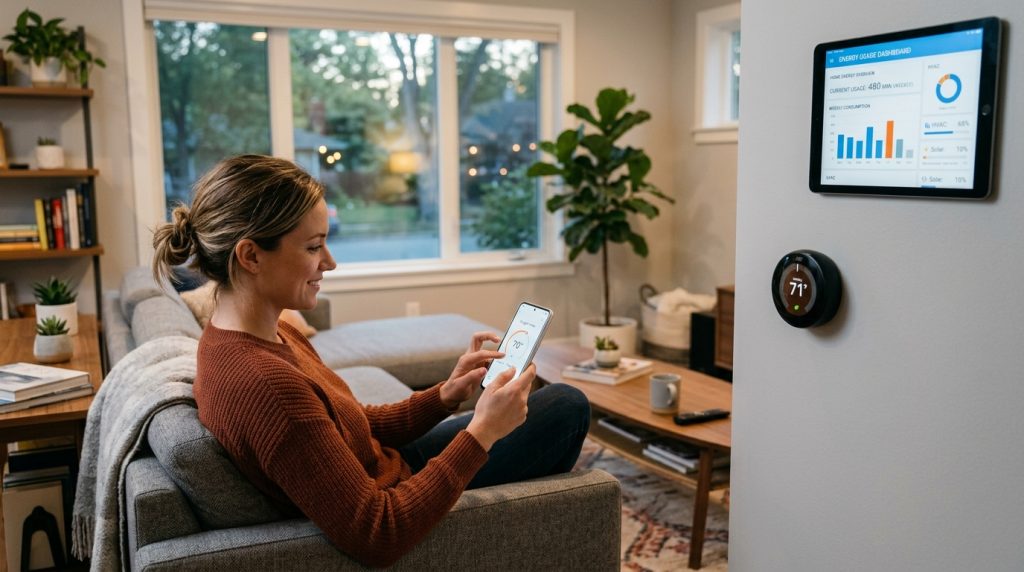
Technology has transformed the way homeowners manage heating and cooling systems. Smart thermostats allow users to automatically adjust temperatures based on occupancy patterns, daily schedules, and seasonal changes, helping reduce unnecessary energy consumption.
Unlike traditional thermostats that maintain a constant temperature regardless of occupancy, smart thermostats can make real-time adjustments that improve efficiency without sacrificing comfort.
Benefits of smart thermostats include:
- Reduced energy waste
- Automated scheduling
- Remote access through mobile devices
- Energy consumption tracking
- Improved temperature consistency
- Better control of heating and cooling costs
Many homeowners discover that combining efficient HVAC equipment with smart controls produces greater savings than upgrading equipment alone.
Smart thermostats can also provide insights into system performance, helping homeowners identify unusual energy usage patterns that may indicate maintenance needs or operational inefficiencies.
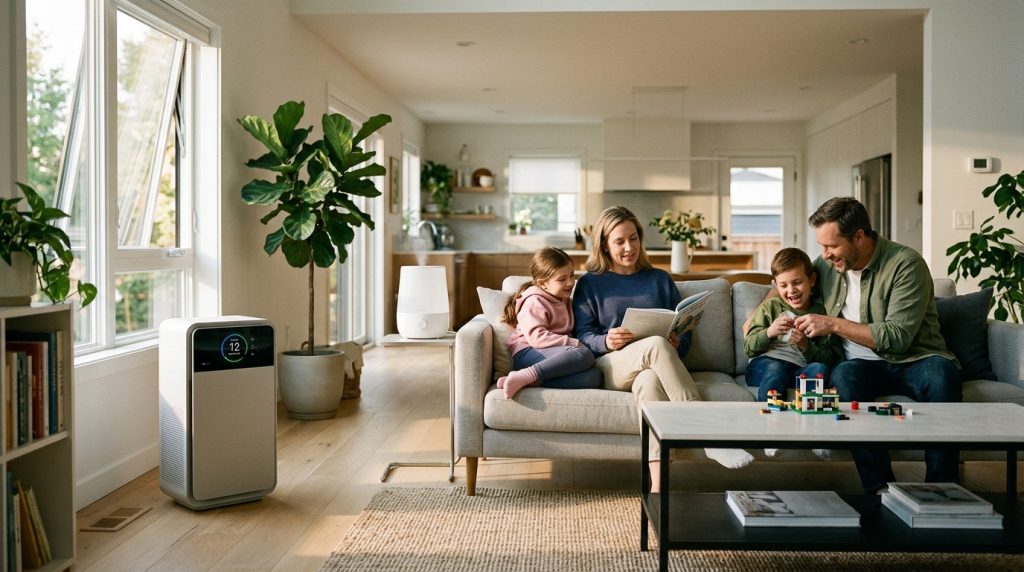
Indoor Air Quality and Energy Efficiency
Many homeowners think of indoor air quality and energy efficiency as separate topics, but they are closely connected. HVAC systems that operate efficiently often contribute to healthier indoor environments, while poor air quality conditions can negatively impact system performance.
Modern indoor air quality services focus on improving airflow, filtration, ventilation, humidity control, and overall indoor comfort.
Common indoor air quality concerns include:
- Dust accumulation
- Allergens
- Pet dander
- Excess humidity
- Dry winter air
- Airborne contaminants
- Poor ventilation
Addressing these issues can help improve comfort while supporting more efficient HVAC operation.
Air Filtration and System Efficiency
Air filters protect both occupants and HVAC equipment. When filters become clogged, airflow restrictions force heating and cooling systems to work harder than necessary.
Consequences of poor filtration maintenance may include:
- Increased energy consumption
- Reduced airflow
- Uneven temperatures
- Increased equipment wear
- Poor indoor air quality
Regular filter replacement is one of the simplest and most cost-effective ways to support HVAC efficiency.
Humidity Control and Comfort
Humidity levels play a major role in perceived comfort. During summer months, excessive humidity can make indoor spaces feel warmer than they actually are. During winter, extremely dry air can cause discomfort and negatively affect indoor air quality.
Proper humidity management can help:
- Improve comfort
- Reduce HVAC workload
- Support healthier indoor environments
- Protect furnishings and building materials
Balanced humidity levels often allow homeowners to maintain comfort without excessive heating or cooling.
Ventilation and Healthy Indoor Environments
Ventilation systems help introduce fresh outdoor air while removing stale indoor air. This process can improve air quality and support overall HVAC performance.
Following recognized indoor air quality best practices can help homeowners create healthier indoor environments while reducing potential indoor contaminants.
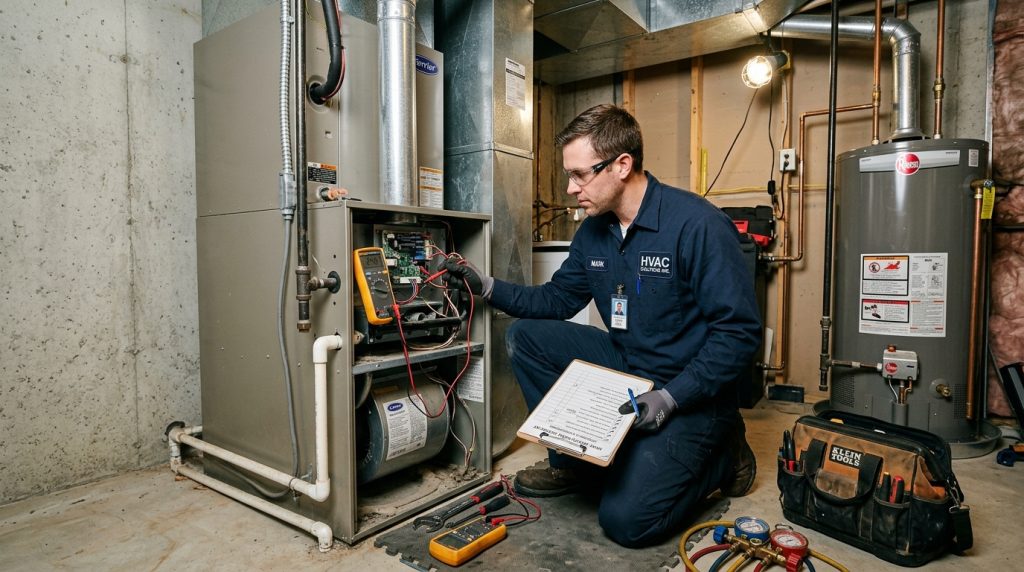
Why Preventative Maintenance Improves Energy Efficiency
Even the most efficient HVAC equipment will lose performance if maintenance is neglected. Dirt accumulation, worn components, airflow restrictions, and calibration issues can gradually reduce efficiency over time.
Many homeowners invest in professional HVAC maintenance plans because regular servicing helps systems operate closer to their intended performance levels.
Benefits of preventative maintenance include:
- Lower energy consumption
- Improved airflow
- Reduced repair costs
- Extended equipment lifespan
- Better temperature control
- Improved indoor comfort
Routine inspections also allow technicians to identify developing problems before they become costly failures.
Common Maintenance Tasks That Improve Efficiency
Preventative maintenance often includes:
- Air filter replacement
- Coil cleaning
- Electrical inspections
- Refrigerant level verification
- Thermostat calibration
- Airflow testing
- Safety inspections
These procedures help maximize equipment performance while minimizing unnecessary energy use.
Seasonal Maintenance Considerations
Michigan homeowners benefit from preparing HVAC systems before periods of peak demand.
Spring Maintenance
- Inspect cooling equipment
- Verify refrigerant performance
- Clean condenser components
- Test thermostat operation
Fall Maintenance
- Inspect heating equipment
- Verify combustion safety
- Check heat exchanger condition
- Evaluate airflow performance
Seasonal maintenance helps ensure equipment is ready for changing weather conditions.
ENERGY STAR Equipment and Long-Term Savings
One of the most recognized benchmarks for efficiency is the ENERGY STAR certification program.
Many homeowners evaluating replacement equipment specifically seek out ENERGY STAR-certified HVAC equipment because these systems meet strict energy-efficiency standards established by the U.S. Environmental Protection Agency.
Potential benefits of ENERGY STAR equipment include:
- Lower operating costs
- Reduced energy consumption
- Improved environmental performance
- Enhanced comfort
- Potential eligibility for rebates and incentives
Although upfront costs may sometimes be higher, many homeowners find that long-term savings help offset the initial investment.
Additional Strategies for Reducing HVAC Utility Costs
Equipment efficiency is important, but homeowners can also reduce utility expenses through other home performance improvements.
Examples include:
- Improving insulation
- Sealing air leaks
- Upgrading windows
- Using ceiling fans
- Maintaining proper humidity levels
- Installing smart controls
- Scheduling regular maintenance
The U.S. Department of Energy provides guidance on energy-efficient home heating and cooling systems, helping homeowners identify practical opportunities for reducing energy consumption.
When multiple improvements are combined, the overall impact on comfort and utility costs can be significant.

How to Choose an HVAC Contractor for Energy-Efficient Upgrades
Selecting the right contractor plays an important role in achieving energy-efficiency goals. Even high-performance equipment may underperform if it is not installed, sized, or maintained correctly.
When evaluating an HVAC contractor, homeowners should consider:
- Experience with high-efficiency systems
- Load calculation procedures
- Installation practices
- Maintenance offerings
- Financing options
- Customer support
- Warranty coverage
Professional guidance can help homeowners select equipment that matches their comfort needs, budget, and efficiency objectives.
Evaluating Customer Experiences
Many homeowners also review public business profiles to better understand customer experiences, responsiveness, service quality, and overall reputation before making a contractor selection.
Reviews should be considered alongside technical qualifications, certifications, and service offerings to develop a complete picture of contractor capabilities.
Conclusion
Energy-efficient HVAC systems offer homeowners one of the most effective ways to reduce utility costs while improving comfort, indoor air quality, and long-term equipment performance. Modern technologies such as high-efficiency furnaces, heat pumps, smart thermostats, advanced filtration systems, and variable-speed equipment allow homeowners to consume less energy without sacrificing comfort.
For Michigan homeowners, where heating and cooling systems operate extensively throughout the year, efficiency improvements can produce meaningful long-term savings. Combining efficient equipment with preventative maintenance, proper system sizing, indoor air quality improvements, and smart energy management strategies often delivers the greatest overall benefits.
As energy costs continue to evolve, investing in efficiency remains one of the most practical approaches for reducing household operating expenses while creating a healthier and more comfortable indoor environment.
Frequently Asked Questions
How much of a home’s energy usage comes from heating and cooling?
Heating and cooling typically account for one of the largest portions of residential energy consumption. The exact percentage varies depending on climate, home size, insulation quality, and equipment efficiency.
What makes an HVAC system energy efficient?
Energy-efficient HVAC systems use advanced technologies such as variable-speed motors, high-efficiency compressors, improved heat exchangers, smart controls, and optimized airflow management to reduce energy consumption while maintaining comfort.
Are high-efficiency HVAC systems worth the investment?
Many homeowners find that high-efficiency systems provide long-term value through lower utility bills, improved comfort, reduced repair costs, and extended equipment lifespan.
How can a smart thermostat reduce energy costs?
Smart thermostats automatically adjust temperatures based on schedules, occupancy patterns, and homeowner preferences. This helps reduce unnecessary heating and cooling when spaces are unoccupied.
Do heat pumps save money compared to traditional furnaces?
In many situations, modern heat pumps can reduce energy consumption because they transfer heat rather than generating it. Actual savings depend on climate conditions, equipment selection, and energy costs.
How often should HVAC maintenance be performed?
Most HVAC professionals recommend annual maintenance for both heating and cooling equipment. Many homeowners schedule service visits in spring and fall to prepare for seasonal demand.
Can dirty air filters increase utility bills?
Yes. Dirty air filters restrict airflow, forcing HVAC equipment to work harder to maintain comfort. This can increase energy consumption and reduce overall system efficiency.
Does indoor air quality affect HVAC efficiency?
Yes. Poor airflow, clogged filters, excessive dust, and ventilation problems can negatively impact HVAC performance and increase energy usage.
What is the difference between SEER2 and AFUE ratings?
SEER2 measures cooling efficiency for air conditioning systems and heat pumps, while AFUE measures heating efficiency for furnaces. Higher ratings generally indicate better energy performance.
Are ENERGY STAR certified HVAC systems more efficient?
ENERGY STAR certified equipment meets specific energy-efficiency requirements established by the U.S. Environmental Protection Agency and often consumes less energy than standard equipment.
What are some signs that an HVAC system is wasting energy?
Common warning signs include rising utility bills, uneven temperatures, excessive cycling, poor airflow, unusual noises, and difficulty maintaining desired temperatures.
What is the best way to improve HVAC efficiency without replacing equipment?
Regular maintenance, air filter replacement, thermostat optimization, duct sealing, insulation improvements, and airflow enhancements can often improve efficiency without requiring full system replacement.

