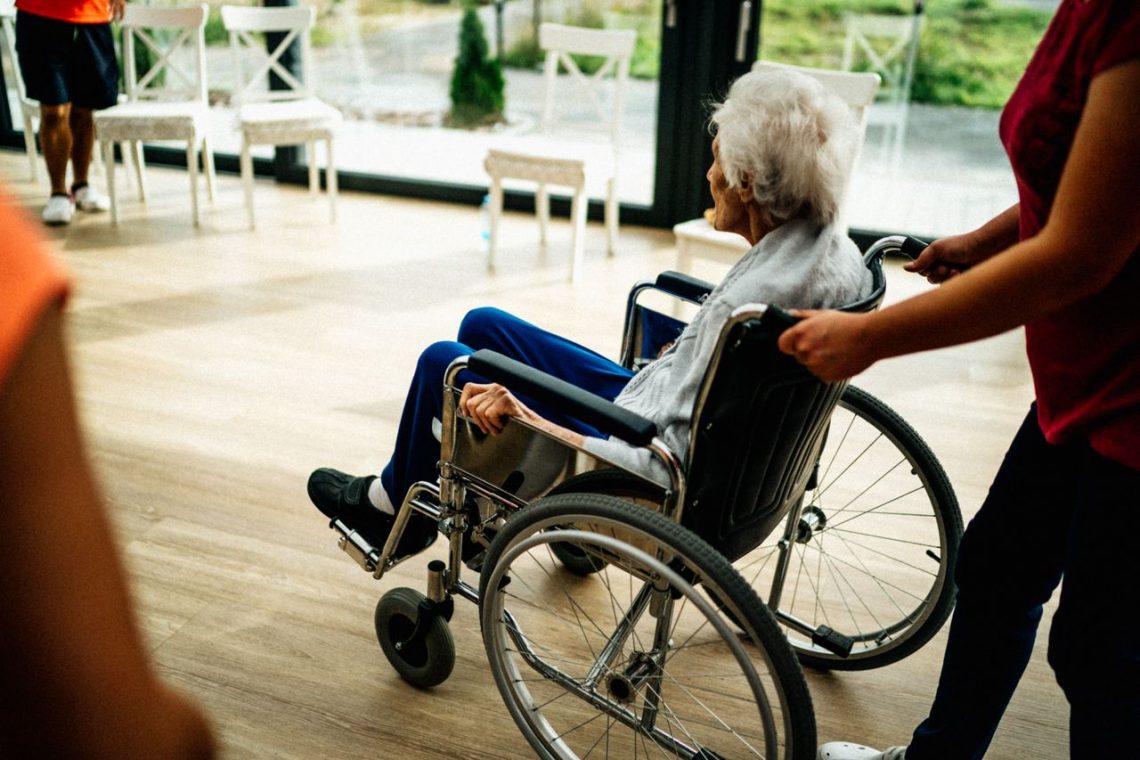
Nursing home residents are some of the most vulnerable people in our communities. They depend on staff for medical care, daily help, hygiene, nutrition, and safety. If a facility does not meet these standards, residents can suffer injuries, health problems, emotional distress, or even wrongful death. In these cases, nursing home lawyers in New York help identify neglect, prove responsibility, and seek compensation for residents or their families.
Nursing home cases can be complicated. They often involve medical problems, rule violations, staffing issues, and questions about who is responsible. Knowing how these cases work is important for protecting the rights of older adults.
Understanding Nursing Home Negligence in New York
Nursing home negligence happens when a facility does not provide the basic care needed to keep residents safe. This can mean staff do something wrong or fail to act when help is needed.
Negligence typically includes situations such as:
- Failure to provide proper supervision
- Delayed or denied medical care
- Poor hygiene and sanitation
- Inadequate nutrition or hydration
- Medication errors or missed doses
- Unsafe living conditions
- Failure to prevent falls or injuries
In New York, nursing homes are legally required to give residents proper care and protection. If they fail to do this, families can bring legal claims for negligence or breaking the law.
Common Causes of Nursing Home Injuries
Injuries in nursing homes often happen because of ongoing problems, not just one-time mistakes. Some common causes are:
Understaffing and Poor Supervision
Many nursing homes do not have enough staff. This can mean slow responses and not enough supervision for residents who need regular care.
Lack of Proper Training
Staff may not have the right training to handle medical needs, help with movement, or respond to emergencies.
Medication Errors
Mistakes with medication can cause serious health problems, such as overdoses, missed doses, or dangerous drug interactions.
Unsafe Facility Conditions
Some dangers inside nursing homes include:
- Wet or slippery floors
- Broken handrails or beds
- Poor lighting in hallways
- Unsecured mobility equipment
- Cluttered walkways
Failure to Follow Care Plans
Every resident should have their own care plan. Not following this plan can lead to injuries or health problems that could have been avoided.
Types of Nursing Home Abuse and Neglect
Nursing home cases can involve different forms of abuse or neglect, including:
Physical Neglect
Failure to provide adequate food, water, hygiene, or medical attention.
Medical Negligence
Improper treatment, failure to monitor conditions, or delayed medical intervention.
Emotional or Psychological Abuse
Verbal threats, isolation, humiliation, or intimidation of residents.
Physical Abuse
Hitting, rough handling, or improper use of restraints.
Financial Exploitation
Unauthorized use of a resident’s money or property.
Each type of abuse can result in serious physical and emotional harm, especially for elderly individuals with pre-existing conditions.
Common Injuries in Nursing Home Neglect Cases
Neglect in long-term care facilities can lead to severe and sometimes life-threatening injuries. Common outcomes include:
- Bedsores (pressure ulcers)
- Hip fractures from falls
- Traumatic brain injuries
- Severe dehydration or malnutrition
- Infections due to poor hygiene
- Medication-related complications
- Internal injuries
- Emotional trauma and depression
Some injuries, like untreated bedsores or infections, can get worse quickly if they are not treated the right way.
Legal Responsibilities of Nursing Homes
Nursing homes are legally required to provide a safe environment and adequate care for all residents. Their responsibilities include:
- Ensuring sufficient staffing levels
- Monitoring residents regularly
- Providing proper medical care and supervision
- Maintaining clean and safe facilities
- Administering medications correctly
- Preventing avoidable falls and injuries
- Responding promptly to emergencies
If a nursing home does not meet these responsibilities, it may be considered negligence under New York law.
How Negligence Is Proven in Nursing Home Cases
To establish liability, several key elements must typically be proven:
- The nursing home owed a duty of care to the resident
- That duty was breached through action or inaction
- The breach directly caused injury or harm
- The resident suffered measurable damages
Evidence is very important in proving these points, especially in cases where neglect has gone on for a long time.
Evidence Used in Nursing Home Cases
Good evidence is needed to make a strong case. Common examples include:
- Medical records and treatment histories
- Staff logs and incident reports
- Photographs of injuries or facility conditions
- Witness statements from staff or residents
- Inspection reports and regulatory findings
- Medication records
- Surveillance footage (if available)
Prompt investigation is important because records may be altered or lost over time.
Compensation Available in Nursing Home Negligence Claims
Victims or their families may be entitled to compensation depending on the severity of harm caused. Damages may include:
Economic Damages
- Medical treatment costs
- Hospitalization expenses
- Rehabilitation and therapy
- Long-term care expenses
- Funeral and burial costs (in wrongful death cases)
Non-Economic Damages
- Pain and suffering
- Emotional distress
- Loss of dignity
- Reduced quality of life
- Loss of companionship (family claims)
In serious cases, long-term neglect can make a claim worth more because of the lasting harm it causes.
Challenges in Nursing Home Cases
Nursing home negligence cases can be hard to pursue because of several challenges:
- Underreporting of abuse or neglect
- Missing or incomplete documentation
- Staff reluctance to testify
- Complex medical conditions in elderly patients
- Attempts to attribute injuries to natural aging
- Delayed discovery of harm
Because of these problems, it is very important to investigate carefully and keep good records.
Role of Nursing Home Lawyers New York
Lawyers who handle these cases work to find evidence of neglect and make sure facilities are held responsible for harm that could have been prevented. Their main tasks include:
- Investigating facility practices and conditions
- Reviewing medical and staffing records
- Consulting medical experts
- Identifying regulatory violations
- Building liability claims
- Negotiating with insurance companies
- Filing lawsuits when necessary
In many cases, nursing home lawyers new york also work to uncover systemic failures such as understaffing or repeated violations that contribute to repeated harm.
Steps to Take After Suspected Nursing Home Negligence
If you think neglect is happening, acting quickly can help protect the resident and make a legal claim stronger:
- Document visible injuries or unsafe conditions
- Request medical records and care reports
- Report concerns to facility administration
- File complaints with relevant authorities
- Seek independent medical evaluation
- Preserve photographs and written notes
Acting early can help stop more harm and keep important evidence safe.
Conclusion
Nursing home negligence cases raise serious legal and ethical issues because they affect some of the most vulnerable people. When facilities do not provide proper care, residents can suffer serious injuries or long-term health problems. Knowing how to prove negligence, what evidence is needed, and what legal options exist is important for protecting the rights of older adults. Careful investigation and holding facilities accountable help make long-term care safer.