
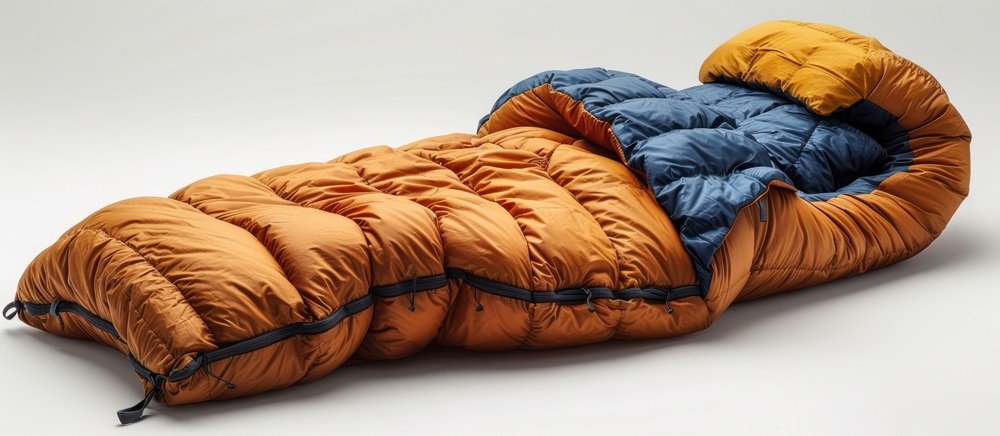
Looking for quality sleeping bags for sale but working with a tight budget? Second-hand sleeping bags can offer exceptional value – if you know what to look for.
This comprehensive guide’ll explore the science behind sleeping bag construction and share expert tips to help you make a smart, safe purchase that won’t leave you cold in the wilderness.
Understanding the Basics: What Makes a Good Sleeping Bag?
Before diving into the second-hand market, it’s essential to understand what constitutes a quality sleeping bag.
The primary function of any sleeping bag is to trap your body heat while keeping cold air and moisture out.
This seemingly simple task involves sophisticated materials and construction techniques that directly impact performance and durability.
Temperature Ratings: The Truth Behind the Numbers
Did you know that temperature ratings on sleeping bags weren’t standardized until 2009? The introduction of the EN/ISO 23537 standard revolutionized how we understand sleeping bag warmth ratings. When examining a used sleeping bag, you’ll encounter two critical numbers:
| Rating Type | Description | Typical Use |
| Comfort Rating | Temperature at which an average woman can sleep comfortably | Conservative choice for casual camping |
| Lower Limit | Temperature at which an average man can sleep comfortably | More aggressive rating for experienced users |
Pro Tip: Always choose a bag rated at least 10°F lower than the coldest temperature you expect to encounter.
Insulation Materials: Down vs. Synthetic
Understanding insulation types is crucial when evaluating a used sleeping bag. Both materials have distinct advantages and potential issues to watch for:
Down Insulation
Down remains the gold standard for warmth-to-weight ratio, but requires careful inspection in used bags. Premium down can maintain its loft for 10+ years with proper care, but poor storage can permanently damage its structure.
Key inspection points for down bags:
- Loft Test: Shake the bag and observe how quickly it regains its shape. A healthy down bag should puff up within minutes.
- Cluster Examination: Look for obvious clumping or flat spots, which indicate moisture damage or poor storage.
Synthetic Insulation
Synthetic fills typically retain 70-80% of their original insulating properties after 5 years of regular use. Modern synthetic materials like PrimaLoft and Climashield maintain their structure better than older polyester fills.
Critical Inspection Points: Your Safety Checklist
1. Shell Integrity
The outer shell is your first line of defense against moisture and cold. Research shows that even small tears can reduce a sleeping bag’s thermal efficiency by up to 40%. Check for:
- Delamination of waterproof coatings (appears as bubbling or peeling)
- UV damage (fading or brittleness, especially near the hood)
2. Zipper Functionality
A properly functioning zipper is non-negotiable. Damaged zippers account for 23% of sleeping bag failures in wilderness situations. Test the zipper multiple times, looking for:
| Issue | Impact | Repairability |
| Missing teeth | Severe – Complete failure risk | Usually requires replacement |
| Separation behind slider | Moderate – Can worsen quickly | Often repairable |
| Sticky operation | Minor – Maintenance issue | Easily fixed |
Hygiene and Safety Considerations
Personal safety should never be compromised for cost savings. Before purchasing a used sleeping bag, consider these health-related factors:
Moisture and Mold
Studies indicate that sleeping bags can retain up to 1 liter of moisture from body vapor in a single night. This moisture can lead to dangerous mold growth if the bag wasn’t properly dried between uses.
Warning Signs:
- Musty odors
- Discoloration, especially in dark spots
- Stiff or crunchy areas in the fabric
Parasites and Pests
While rare in properly stored bags, pest infestation is possible. Examine all seams and corners with a bright light. Look for:
| Sign | What It Indicates | Action Required |
| Small dark spots | Possible pest waste | Reject immediately |
| Tiny holes in clusters | Past pest activity | Careful evaluation needed |
| White powder residue | Previous treatment | Verify treatment date |
Value Assessment: Getting Your Money’s Worth
Understanding market values helps ensure you’re making a sound investment. Current data shows that quality sleeping bags typically retain 40-60% of their original value after two years of light use.
Price Guidelines
| Condition | Typical Discount |
| Like New (1-2 uses) | 20-30% off retail |
| Good (Light use) | 40-50% off retail |
| Fair (Regular use) | 60-70% off retail |
Storage and Care: Protecting Your Investment
Once you’ve found the perfect used sleeping bag, proper care will extend its life significantly. Research indicates that appropriate storage can double the functional lifespan of both down and synthetic bags.
Immediate Care After Purchase
- Deep cleaning considerations:
- Professional cleaning for down bags ($30-50)
- Home washing for synthetic bags with appropriate technical cleaners
- Storage preparation:
- Full 24-hour lofting period
- Moisture content check (<12% ideal)
Making the Final Decision
When evaluating a used sleeping bag, consider this practical checklist:
- Core Requirements:
- Temperature rating matches your needs
- Size fits you with 6-8 inches of foot space
- Weight meets your carrying capacity
- Deal Breakers:
- Any mold or mildew presence
- Compromised insulation
- Damaged primary seams
Remember: A quality used sleeping bag can provide years of reliable service, but a poor choice can lead to dangerous situations in the wilderness.
Conclusion
Purchasing a second-hand sleeping bag requires careful consideration of multiple factors, from technical specifications to hygiene concerns.
By following this guide, you’ll be better equipped to find a safe, reliable sleeping bag that meets your needs without breaking the bank.