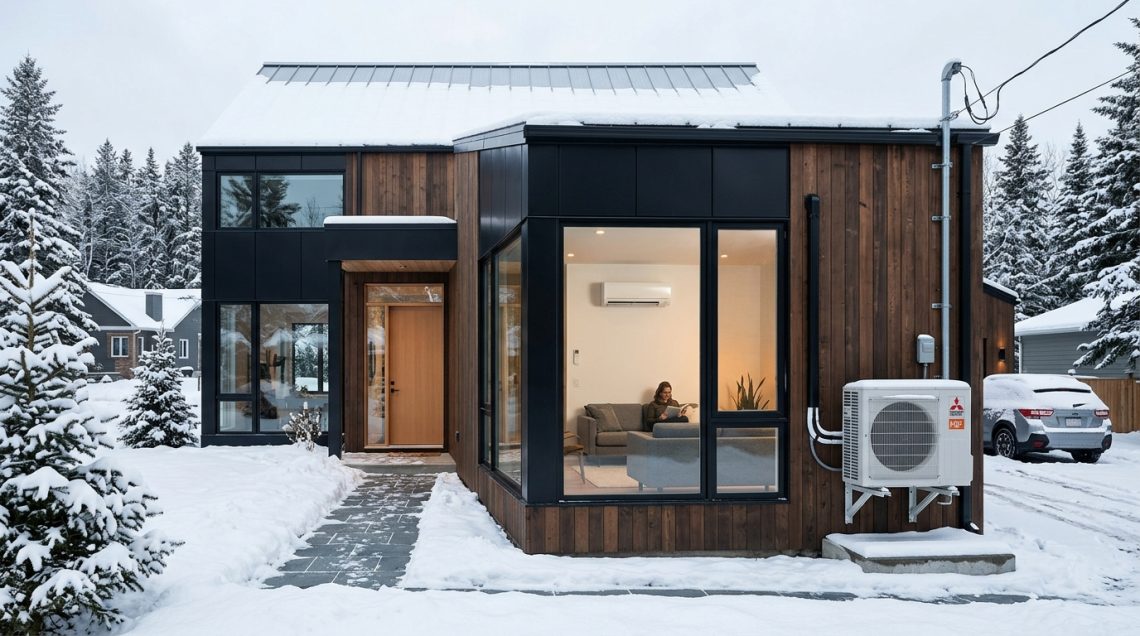
For many years, homeowners in colder regions assumed that mini split heat pumps were only practical for mild or warm climates. Earlier generations of heat pumps often struggled to maintain heating performance as outdoor temperatures dropped, reinforcing the belief that furnaces were the only reliable option for northern winters.
Today’s technology tells a different story. Modern cold-climate mini split heat pumps are engineered with advanced compressors, inverter technology, intelligent defrost controls, and improved refrigerants that allow them to operate efficiently even during freezing weather.
As energy efficiency becomes a greater priority, more homeowners across Michigan are considering ductless heat pumps as an alternative—or complement—to conventional heating systems. These systems offer year-round heating and cooling while providing flexible installation options and room-by-room temperature control.
Many homeowners begin researching a mini split ductless heat pump when looking for an efficient solution for home additions, older houses without ductwork, garages, finished basements, or individual rooms with inconsistent temperatures.
Quick Answer
Modern mini split heat pumps work in cold climates by extracting heat from outdoor air—even when temperatures fall below freezing—and transferring it indoors. Thanks to inverter-driven compressors, advanced refrigerants, and intelligent controls, many cold-climate models provide reliable heating throughout much of a Michigan winter while also offering efficient summer cooling.
Key Takeaways
- Modern mini split heat pumps are designed for cold climates.
- They provide both heating and cooling from one system.
- Inverter technology improves winter performance.
- No traditional ductwork is required.
- Zoned heating improves comfort and energy efficiency.
- Proper installation is essential for cold-weather performance.
- Regular maintenance supports long-term reliability.
- Cold-climate models are significantly more capable than older heat pumps.
Why Cold Climate Performance Has Improved
Heat pump technology has evolved dramatically over the last decade.
Earlier systems often lost heating capacity during extremely cold weather, requiring homeowners to depend heavily on supplemental heating.
Today’s cold-climate systems include innovations such as:
- Variable-speed inverter compressors
- Advanced refrigerants
- Intelligent electronic controls
- Optimized compressor operation
- Improved heat exchanger design
- Enhanced defrost technology
Together, these advancements allow many systems to continue extracting heat even when outdoor temperatures remain well below freezing.
According to the U.S. Department of Energy, modern heat pump systems can provide highly efficient heating and cooling by transferring heat rather than generating it through combustion.
How Mini Split Heat Pumps Produce Heat During Winter
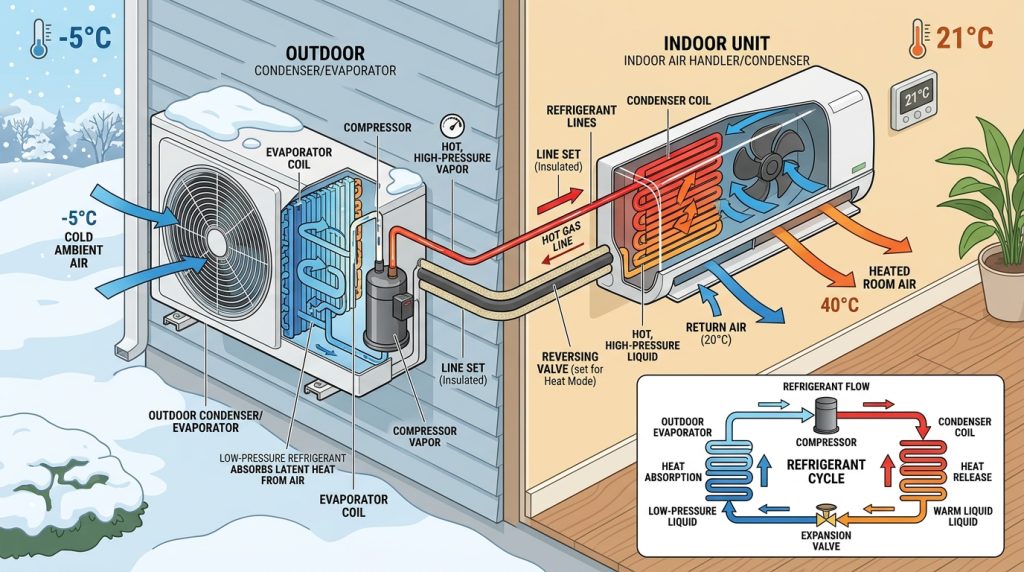
One of the most common misconceptions is that heat pumps create heat.
Instead, they move heat.
Even cold outdoor air contains usable thermal energy.
During heating mode:
- The outdoor unit absorbs available heat.
- Refrigerant carries that heat indoors.
- The indoor air handler releases heat into the room.
- The cycle repeats continuously.
Because this process transfers existing heat rather than generating it, energy consumption is often significantly lower than traditional electric resistance heating.
The Role of Inverter Technology
Modern inverter technology has transformed heat pump performance.
Traditional HVAC equipment often operates using simple on/off cycles.
By comparison, inverter-driven compressors continuously adjust operating speed based on heating demand.
Benefits include:
- More consistent indoor temperatures
- Improved efficiency
- Reduced electrical consumption
- Quieter operation
- Less equipment wear
- Better cold-weather performance
Rather than shutting off completely, the system adjusts output as needed, helping maintain steady comfort throughout changing weather conditions.
Why Ductless Systems Perform Well in Winter
Unlike traditional forced-air systems, ductless systems deliver conditioned air directly into occupied spaces.
A modern ductless mini split heat pump system avoids many of the energy losses associated with conventional ductwork.
Advantages include:
- No duct leakage
- Reduced energy waste
- Independent room control
- Faster temperature response
- Improved overall efficiency
For many homeowners, eliminating duct losses contributes significantly to year-round energy savings.
Understanding Defrost Cycles
During cold, humid weather, frost may naturally accumulate on the outdoor heat exchanger.
Modern systems automatically initiate periodic defrost cycles to remove frost buildup.
During a defrost cycle:
- Ice melts from the outdoor coil.
- System efficiency is restored.
- Normal heating resumes automatically.
These cycles are brief, automatic, and represent normal operation.
Many homeowners mistake defrost operation for a system malfunction, when in reality it is an important feature that supports reliable winter performance.
Where Mini Split Heat Pumps Work Best
Cold-climate mini splits perform particularly well in:
- Older homes without ductwork
- Home additions
- Finished basements
- Detached garages
- Home offices
- Sunrooms
- Cabins
- Individual comfort zones
Some homeowners also combine ductless systems with existing furnaces to create hybrid heating solutions that maximize both comfort and efficiency.
Professional heat pump installation helps ensure proper equipment sizing, indoor unit placement, and system configuration for Michigan’s climate.
Energy Efficiency in Cold Climates
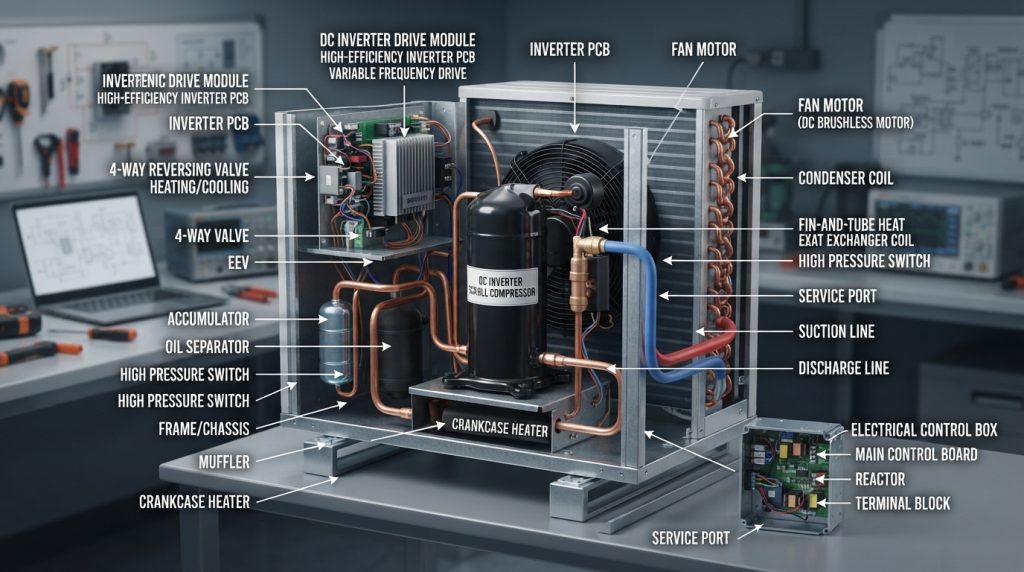
One of the primary reasons homeowners choose mini split heat pumps is their exceptional energy efficiency.
Unlike conventional electric heating systems that generate heat directly, heat pumps move existing heat from outside to inside. This process requires significantly less energy under many operating conditions.
Modern cold-climate systems improve efficiency through:
- Variable-speed compressors
- Inverter-driven motors
- Advanced refrigerants
- Intelligent electronic controls
- Precise temperature regulation
Rather than constantly starting and stopping, these systems adjust output to match the home’s heating demand, helping reduce unnecessary energy consumption.
The U.S. Environmental Protection Agency recognizes ENERGY STAR certified heat pumps as highly efficient heating and cooling systems capable of lowering energy use when properly installed and maintained.
Do Mini Split Heat Pumps Need Supplemental Heating?
This depends on several factors, including:
- Local climate
- Home insulation
- System sizing
- Indoor comfort preferences
- Building construction
Many modern cold-climate mini splits provide sufficient heating for much of the Michigan winter.
However, some homeowners choose supplemental heating during prolonged periods of extremely low outdoor temperatures.
Common supplemental options include:
- High-efficiency furnaces
- Electric resistance backup
- Pellet stoves
- Fireplaces
Others install dual-system configurations that automatically switch between heating sources when outdoor temperatures reach predetermined levels.
The appropriate solution varies based on each home’s specific heating requirements.
Common Myths About Mini Split Heat Pumps
Despite significant technological improvements, several misconceptions continue to discourage homeowners from considering ductless heat pumps.
Myth: “They Stop Working Below Freezing”
Modern cold-climate systems are specifically engineered for freezing temperatures.
Many continue operating efficiently well below 0°F, depending on the equipment model and installation quality.
Myth: “They Cost Too Much to Operate”
Because heat pumps transfer heat rather than generate it, many homeowners experience lower operating costs compared with older electric heating systems.
Actual savings depend on:
- Utility rates
- Home insulation
- Equipment efficiency
- Occupancy patterns
- Maintenance
Myth: “Mini Splits Only Heat One Room”
While single-zone systems serve individual spaces, multi-zone systems can connect multiple indoor units to one outdoor condenser, providing heating and cooling throughout larger homes.
Winter Maintenance Tips
Routine maintenance becomes especially important during winter months.
Homeowners can help maintain efficient performance by:
- Cleaning indoor air filters
- Keeping snow away from outdoor equipment
- Removing leaves and debris
- Monitoring airflow
- Scheduling annual inspections
Professional maintenance also includes:
- Refrigerant inspection
- Electrical testing
- Coil cleaning
- Performance verification
- System calibration
Routine inspections help identify small issues before they become costly repairs.
Choosing the Right HVAC Professional
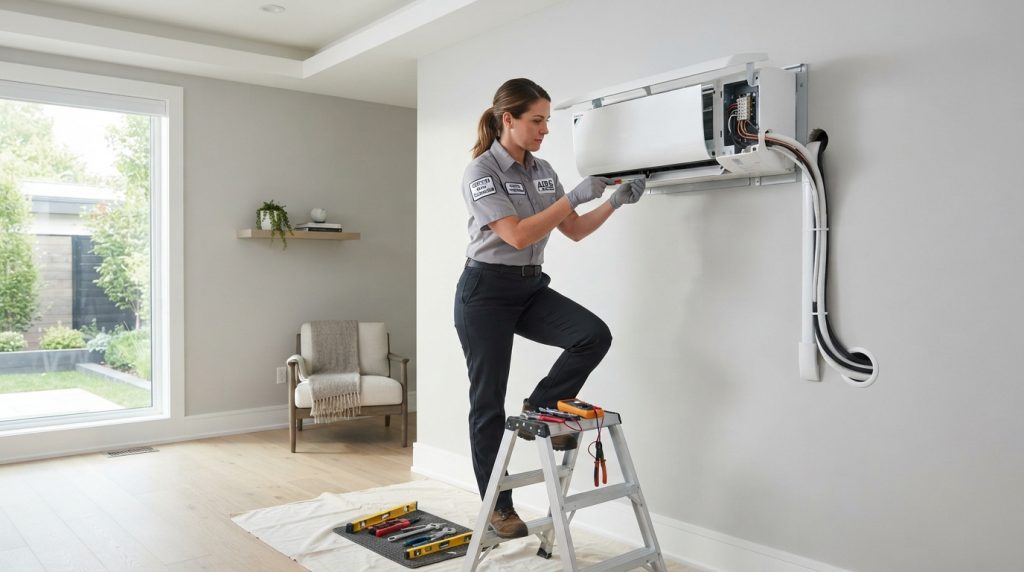
Installation quality plays an important role in winter performance.
Proper equipment sizing, refrigerant charging, airflow adjustment, and indoor unit placement all influence how efficiently a mini split operates during cold weather.
Homeowners evaluating a mini split ductless heat pump should consider:
- Cold-climate installation experience
- Licensing and certifications
- Equipment recommendations
- Warranty coverage
- Maintenance services
Many homeowners also review public business profiles to better understand customer experiences, installation quality, and contractor responsiveness before selecting an HVAC company.
Following recognized indoor air quality best practices alongside regular HVAC maintenance can also contribute to healthier indoor environments and improved system performance.
Conclusion
Modern mini split heat pumps have transformed what homeowners can expect from cold-climate HVAC technology. Thanks to inverter-driven compressors, advanced refrigerants, intelligent controls, and improved system design, today’s equipment delivers reliable heating throughout much of the Michigan winter while also providing efficient cooling during warmer months.
For homes without existing ductwork, room additions, finished basements, garages, and other specialized applications, ductless systems offer flexible installation and impressive energy performance. Even in colder climates, properly designed and professionally installed systems can provide dependable comfort while reducing energy consumption.
Although every home has unique heating requirements, advances in cold-climate heat pump technology have made mini split systems a practical option for many Michigan homeowners seeking greater efficiency, comfort, and year-round climate control.
Frequently Asked Questions
Do mini split heat pumps work in extremely cold climates?
Yes. Modern cold-climate mini split heat pumps are engineered to provide reliable heating during freezing temperatures. Many systems continue operating efficiently well below 0°F, although actual performance depends on the equipment model, installation quality, and home characteristics.
How does a mini split heat pump produce heat in winter?
A mini split heat pump extracts thermal energy from outdoor air and transfers it indoors using refrigerant. Even cold outdoor air contains usable heat, allowing the system to warm indoor spaces without generating heat through combustion.
Is a mini split ductless heat pump more efficient than electric baseboard heating?
In many situations, yes. Because a mini split ductless heat pump transfers heat instead of producing it through electric resistance, it often uses considerably less energy while maintaining comfortable indoor temperatures.
Can a ductless mini split heat pump system replace a furnace?
In some homes, yes. A properly sized ductless mini split heat pump system can provide year-round heating and cooling. However, some homeowners prefer hybrid or dual-heating systems depending on their comfort preferences and local winter conditions.
Will a mini split heat pump cool my home in summer?
Yes. Mini split heat pumps provide both heating and cooling. During warmer months, they reverse the refrigeration cycle and function like an energy-efficient air conditioner.
Do mini split systems require ductwork?
No. One of the primary advantages of ductless systems is that they deliver conditioned air directly into each room without traditional ductwork.
How long do mini split heat pumps last?
With proper maintenance, many mini split systems provide reliable performance for approximately 12 to 20 years. Equipment quality, installation, climate conditions, and routine servicing all affect lifespan.
What maintenance is required during winter?
Homeowners should:
- Clean indoor filters
- Keep outdoor units clear of snow and debris
- Monitor airflow
- Schedule annual professional inspections
Routine maintenance helps preserve efficiency and reliability throughout the heating season.
Are mini split heat pumps quiet?
Yes. Most modern mini split systems operate much more quietly than many traditional heating and cooling systems because of variable-speed compressor technology and low-noise indoor air handlers.
Where are mini split heat pumps commonly installed?
They are frequently used in:
- Older homes
- Home additions
- Finished basements
- Garages
- Home offices
- Sunrooms
- Detached buildings
- Individual comfort zones
Why is professional heat pump installation important?
Professional heat pump installation ensures proper equipment sizing, refrigerant charging, airflow balancing, electrical connections, and system calibration. These factors significantly affect winter performance and long-term efficiency.
Are cold-climate mini split heat pumps a good investment?
For many homeowners, yes. Modern cold-climate systems offer year-round comfort, excellent energy efficiency, flexible installation, and zoned temperature control, making them an attractive long-term HVAC solution.