
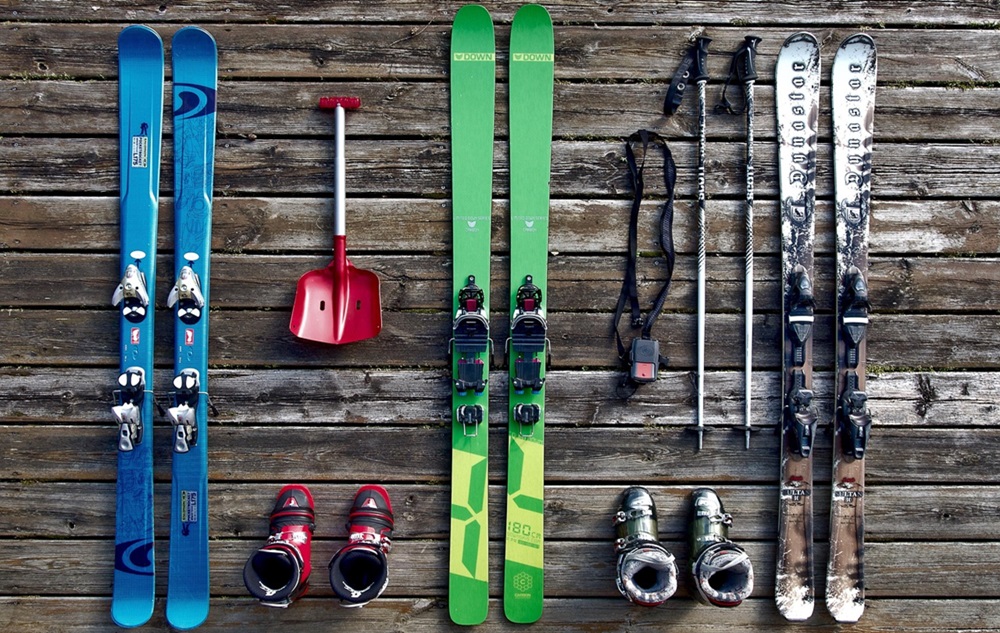
You know what kills a sports gear sale faster than anything? Muddy photos and equipment that looks like it survived a tornado.
When you sell used sports gear online, presentation makes the difference between “sold in two hours” and “still listed after three months.”
Most buyers won’t touch listings with grainy photos or dirty equipment. They assume you’re hiding damage.
One study from eBay found that listings with clear, well-lit photos sold 5x faster than similar items with poor images. The fix is simple: clean your gear and take honest photos that show what buyers actually get.
What Should You Clean Before Taking Photos?
Start with a basic wipe-down of everything. Remove dirt, grass stains, and any visible grime before you even think about grabbing your phone. Your buyer needs to see the actual condition, not last season’s mud.
For hard surfaces like helmets, baseball bats, or hockey sticks, use a damp cloth with mild soap. Wipe down every angle. Check the small spots where dirt hides like vent holes in helmets or grip tape edges on bats.
Fabric items need more attention. Wash jerseys, compression gear, and athletic bags according to their care labels. Don’t skip this step because “it’s used anyway.” Clean fabric shows you respected the item, which builds trust.
Leather equipment like baseball gloves or football requires leather cleaner and conditioner. This brings back the original color and shows the material’s true state. Buyers can spot neglected leather from a mile away.
How Do You Set Up Good Lighting?
Natural light beats everything. Take your photos outdoors during mid-morning or late afternoon when the sun isn’t directly overhead. Harsh noon sun creates shadows that hide details.
If you’re shooting indoors, position your gear near a large window. Turn off overhead lights because they create yellow tints that make white items look dingy. Use white poster board as a reflector to bounce light onto shadowed areas.
Never use your camera flash. Flash creates glare on shiny surfaces and washes out colors. A soccer ball photographed with flash looks like a white blob instead of showing panel details and wear patterns.
The background matters too. Use a plain white sheet, large cardboard, or clean concrete. Busy backgrounds distract from your item. One seller increased their response rate by 40% just by switching from cluttered garage photos to clean white backgrounds.
What Angles Actually Matter?
Take at least six photos from different perspectives. Start with a straight-on shot that shows the full item. This becomes your main listing photo.
Next, capture both sides. For a tennis racket, show the front strings and back frame. For cleats, photograph the outside and inside of both shoes.
Get close-ups of any wear, scuffs, or damage. Honest damage photos prevent returns and angry messages. Buyers appreciate seeing a small scratch upfront rather than discovering it after delivery.
Include scale references when size isn’t obvious. Place a ruler next to small items or photograph shoes next to a common object like a water bottle. This helps online buyers understand actual dimensions.
For equipment with moving parts like bike gears or adjustable weights, take photos showing different positions. Prove everything works as intended.
Should You Edit Your Photos?
Light editing helps, but don’t get carried away. Adjust brightness if your image looks too dark. Crop out distractions at the edges. Straighten tilted angles so your item doesn’t look like it’s falling over.
Avoid filters that change colors. Your red boxing gloves should look red in photos, not orange or burgundy. Color accuracy prevents “not as described” complaints.
Don’t blur or hide defects. If there’s a tear in the mesh of a lacrosse stick, show it clearly. One marketplace analysis found that honest damage disclosure increased buyer trust by 60% and reduced return rates.
Phone editing apps like Snapseed or your device’s built-in editor work fine. You don’t need professional software. Just make the item look like it does in real life.
What Details Build Buyer Confidence?
Include measurements in your photos when possible. Lay a measuring tape along a ski to show exact length. Photograph the size tag inside clothing items.
Show brand labels clearly. Buyers search for specific brands, and a clear label photo confirms authenticity. For high-value items like golf clubs or cycling equipment, this prevents scam accusations.
Take photos of serial numbers on electronics like fitness trackers or bike computers. This proves you own the item and deters theft-related concerns.
If you still have original packaging or manuals, photograph them with the item. Original boxes increase perceived value by 15-20% according to sports equipment resale data.
Timestamp photos using a small card in frame if you sell used sports gear frequently. Write today’s date on paper and include it in one shot. This proves photos aren’t recycled from old listings.
What Common Mistakes Should You Avoid?
Never photograph items on your bed or couch. Soft surfaces make rigid items look lumpy and distorted. They also suggest poor hygiene standards that turn buyers away.
Don’t include people in product photos unless showing scale for large items like kayaks. Random hands or partial body shots look unprofessional and distract from the gear.
Avoid taking photos in dim garages or basements. Dark environments hide details and make buyers suspicious about what you’re concealing.
Skip the dramatic angles. A basketball photographed from directly above looks flat and confusing. Stick to natural perspectives that match how buyers will see the item in person.
Don’t watermark your photos unless selling extremely high-value collectibles. Watermarks suggest you don’t trust buyers, which creates negative associations before they even contact you.
FAQs
How many photos should you include in a listing?
Include six to eight photos minimum. Show the full item, both sides, top, bottom, any damage, and close-ups of important features. More quality photos reduce buyer questions and speed up sales.
Can you photograph sports gear on grass or outdoors?
Yes, but choose clean, uniform surfaces like concrete or short grass. Avoid cluttered outdoor backgrounds with random objects. The focus stays on your item, not your backyard.
Should you photograph items still in storage bags?
No. Always remove items from storage completely. Photograph the bag separately if it adds value, but buyers need to see the actual equipment condition, not a bag shape.
Do professional cameras make a difference?
Not really. Modern smartphones take excellent photos if you use good lighting and clean backgrounds. Focus on presentation over equipment. A clean item in natural light beats expensive cameras with poor setup.
What if your item has permanent stains?
Photograph stains clearly in good lighting. Describe them honestly in your listing text. Buyers respect honesty, and you’ll avoid returns. Some buyers specifically search for discounted gear with minor flaws when they want to sell used sports gear quickly.

